
Does your church policy already cover events?
Usually your general liability covers routine, on-site church activities — Sunday services, midweek programs, a potluck in the fellowship hall. The gaps appear at the edges: a large festival, a ticketed concert, an event held off church property, anything involving outside vendors or inflatables, and — most importantly — any time an outside group uses your building. Those situations can run past what a standard church policy contemplates.
The honest rule of thumb: the more an event differs from your normal week, the more worth it is to confirm coverage in advance. A quick call before the event is free; discovering a gap after someone is hurt is not.
When a church needs separate special-event coverage
Check for dedicated event coverage when an event is off-site, unusually large, involves third parties (vendors, performers, food trucks), serves alcohol, or is run by or for an outside group on your property. Common Georgia examples: a fall festival on the lawn, a 5K, a concert, a craft fair, a community fundraiser, or a sports tournament. Each adds exposure your everyday policy may sub-limit or exclude, and each is straightforward to cover when it's flagged ahead of time.
The most overlooked event exposure
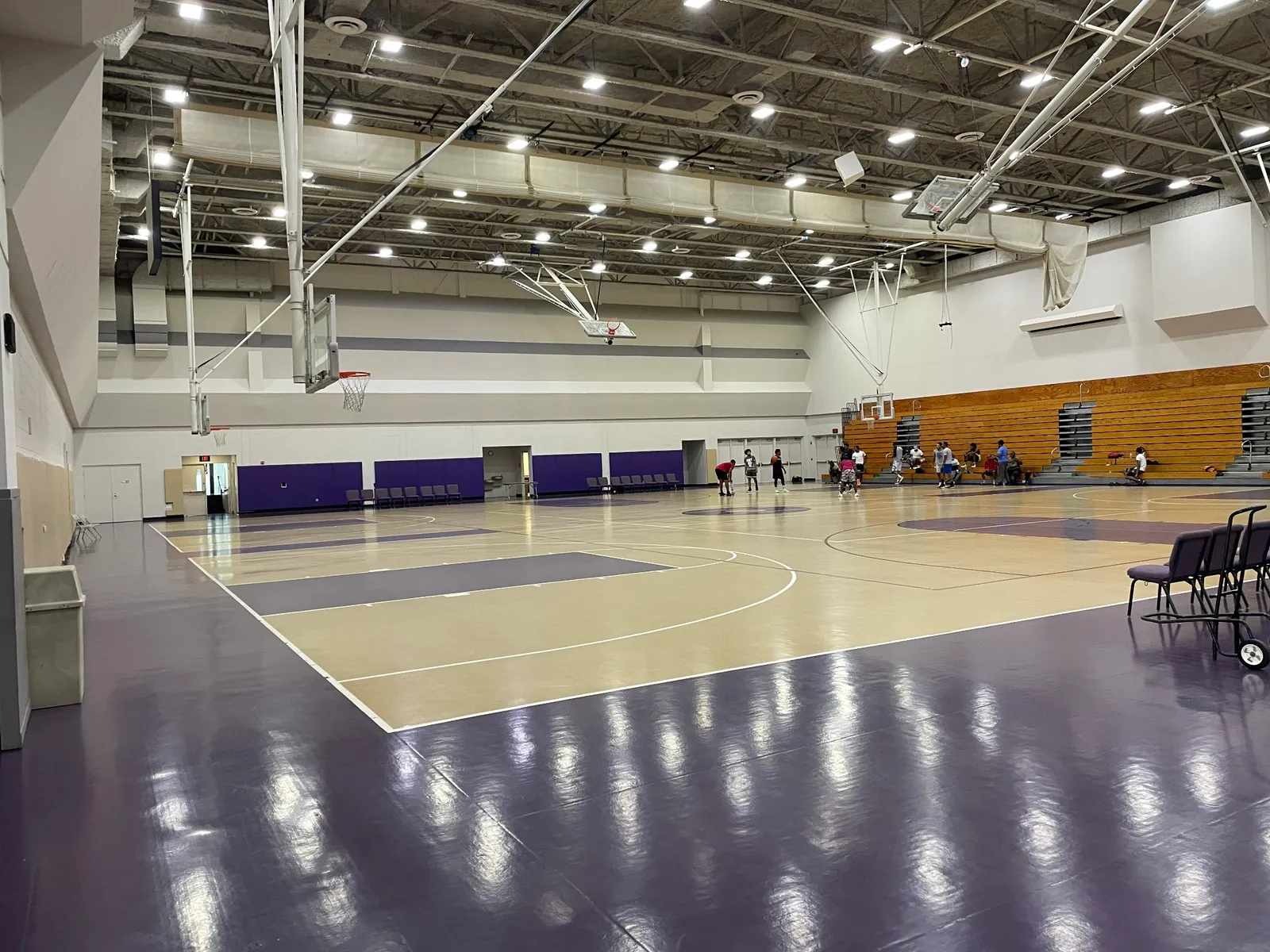
When an outside group rents your gym, hall, or sanctuary and someone is hurt at their event, the claim can land on your church. Two protections, every time: require the group to carry their own event liability, and require them to name your church as an additional insured on a certificate of insurance. Put both in a written facility-use agreement.
Facility rentals: protect the church before you hand over the keys
Letting outside groups use your space is a great ministry — and a real liability if it's handled on a handshake. The standard, low-friction protection is a written facility-use agreement that requires the renting party to (1) carry their own event liability insurance and (2) provide a certificate of insurance (COI) naming your church as an additional insured for the event. That shifts the risk to the party that created it and documents that coverage existed. A simple "no COI, no event" policy saves churches from the worst surprises.
Certificates of insurance, alcohol, and inflatables
A certificate of insurance is proof a party carries coverage, showing limits and — when requested — your church as additional insured. Collect one before any outside group uses your space, and provide one when an off-site venue requires it of you. Two specific exposures deserve a direct conversation with your agent: if alcohol is served, host-liquor or special-event liquor liability may be needed; and inflatables, bounce houses, or climbing walls usually must be disclosed, with the vendor carrying coverage and naming the church as additional insured. Tell your agent exactly what the event involves, and the right pieces go in place beforehand.
Got an event or a facility rental coming up?
A coverage review checks your event and facility-rental exposures, and sets up the certificate-of-insurance habits that keep outside-group risk off your church.
Request a Coverage ReviewFrequently asked questions
Does our regular church insurance cover special events?
Often, but not always. Routine, on-site church activities are usually covered by your general liability. The gaps show up with higher-risk or out-of-the-ordinary events — large festivals, concerts, anything off-premises, events with vendors or inflatables, or when an outside group uses your building. Those situations may need a special-event endorsement or a separate event policy. The safe move is to confirm coverage before the event, not after.
When does a church need separate special-event coverage?
Typically when the event is off-site, unusually large, involves third parties (vendors, performers, food trucks, bounce houses), serves alcohol, or is run by or for an outside group using your facility. Each of those adds exposure your standard policy may limit or exclude. A festival on the lawn, a 5K, a concert, a craft fair, or a community fundraiser are common examples where a church should check.
Someone wants to rent our church building — how do we protect ourselves?
This is the most overlooked event exposure. When an outside group rents your gym, fellowship hall, or sanctuary, an injury at their event can come back on the church. Protect yourself two ways: require the renting group to carry their own event liability insurance, and require them to name your church as an "additional insured" on a certificate of insurance (COI) for the event. A written facility-use agreement should make both mandatory.
What is a certificate of insurance (COI) and why does it matter?
A certificate of insurance is proof that a party carries coverage, naming limits and (when requested) your church as an additional insured. Collecting a COI before an outside group uses your space — or before you send a team to an off-site venue that requires one — shifts the risk to the party that created it and documents that coverage existed. No COI, no event, is a healthy policy.
Does special-event coverage handle alcohol or inflatables?
Those are specific exposures that need specific attention. If alcohol is served, host-liquor or special-event liquor liability may be required. Inflatables, bounce houses, climbing walls, and similar attractions usually need to be disclosed and may require the vendor to carry coverage and name the church as additional insured. Tell your agent exactly what the event involves so the right pieces are in place beforehand.
MinistrySure is an independent insurance agency in Loganville, Georgia specializing exclusively in churches, Christian schools, and faith-based ministries. Led by brothers Matthew and Michael Campbell, MinistrySure has served 700+ Georgia ministries.
Church Liability Insurance · Church Insurance in Georgia · Mission Trip Insurance · Why a Specialist · Coverage Review