
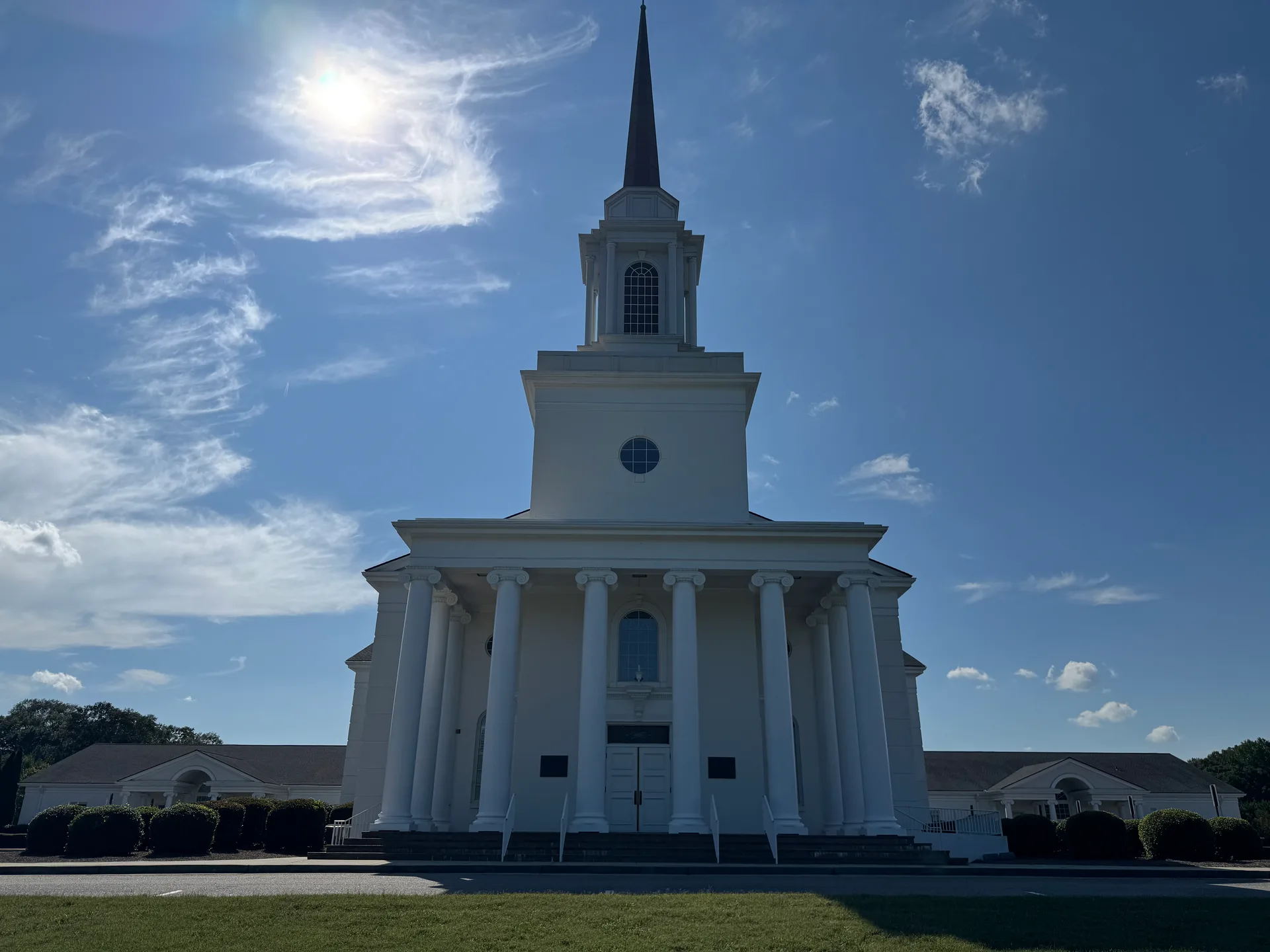
Georgia churches need property coverage, general liability, workers' compensation (if 3+ employees), and abuse and molestation coverage at minimum. Most also need directors and officers liability, employment practices coverage, and cyber liability. The right policy bundles these into a single program from a ministry-focused carrier.
Most Georgia churches are underinsured — and the ones that aren't still have gaps they don't know about. That's not a sales pitch. It's what we see every week when pastors and church administrators bring us their current policies for review.
This guide covers everything a Georgia church needs to know about insurance: what's required, what's recommended, what it costs, and how to make sure you're not paying for coverage you don't need — or missing coverage you do.
MinistrySure is an independent insurance agency in Loganville, Georgia that works exclusively with churches, Christian schools, colleges, and faith-based ministries. We've served 700+ Georgia ministries. Brothers Matthew and Michael Campbell — both Brotherhood Mutual Agents of the Year — lead our team. Church insurance is all we do.
Most Georgia churches are underinsured — and the ones that aren't still have gaps they don't know about.
What Does Church Insurance Actually Cover?
Church insurance covers property, general liability, workers' compensation, abuse and molestation, directors and officers liability, commercial auto, umbrella liability, cyber liability, and employment practices liability. These coverages are bundled into a single program designed around your ministry's buildings, staff, programs, and operations — not sold as separate, unrelated policies.
Here are the core coverages Georgia churches need to understand.
Property Insurance
This covers the physical stuff: your sanctuary, fellowship hall, classrooms, parsonage, contents, sound equipment, instruments, playground structures, signage, and anything else your church owns.
Georgia-specific consideration: severe weather. Hail, wind, tornadoes, and fallen trees are real risks across the state. Your property policy needs to reflect replacement cost — not what you paid for the building 30 years ago, but what it would cost to rebuild it today at current material and labor prices. Many churches are underinsured on property by 20-40% because they haven't updated their building valuations in years.
Flood is almost always excluded from standard property policies. If your church sits in or near a flood zone — and parts of Gwinnett, DeKalb, Cobb, and south Georgia are particularly vulnerable — you'll need a separate flood policy through FEMA's National Flood Insurance Program or a private flood carrier.
General Liability
This is your foundation. General liability covers bodily injury and property damage that happens on your premises or as a result of your operations. A visitor trips on the stairs. A tree limb falls on a car in the parking lot. A volunteer's child gets hurt during VBS.
Georgia doesn't require churches to carry general liability by law — but operating without it is reckless. A single slip-and-fall lawsuit can cost six figures. Most churches carry $1 million per occurrence with a $2 million aggregate.
Workers' Compensation
Georgia law requires workers' compensation insurance for any employer with three or more employees. That includes churches. If your church has three people on payroll — even part-time — you need a workers' comp policy.
This catches churches off guard more often than any other coverage. Many mid-size churches have a full-time pastor, a part-time secretary, and a part-time custodian. That's three. You need workers' comp.
Workers' comp covers medical expenses and lost wages if an employee is injured on the job. Without it, your church is personally liable — and Georgia's State Board of Workers' Claims can impose penalties.
Directors and Officers (D&O) Liability
Your board members, elders, deacons, and committee chairs make decisions that affect people's lives — hiring, firing, budgets, building projects, policies. D&O insurance protects them personally if someone sues over a decision they made in their official capacity.
Most volunteer board members don't realize they have personal financial exposure when they serve. D&O coverage removes that risk and makes it easier to recruit strong board members.
Abuse and Molestation Coverage
This is non-negotiable. Any church with children's ministry, youth programs, nursery, VBS, camps, or counseling needs abuse and molestation coverage. Standard general liability policies typically exclude sexual misconduct claims entirely.
This coverage protects the church financially if an allegation is made — and it covers defense costs even if the allegation is false. The average defense cost for an abuse claim exceeds $100,000, regardless of outcome.
Brotherhood Mutual is one of the few carriers that builds this coverage into their ministry policies rather than offering it as an optional add-on. That's one of the reasons we recommend them for Georgia churches.
Commercial Auto
If your church owns a van, bus, or any vehicle, you need commercial auto insurance. Personal auto policies don't cover vehicles titled to a church.
Georgia also has specific requirements for hired and non-owned auto coverage — which protects your church when volunteers or staff use their personal vehicles for church business. A volunteer driving to pick up supplies for the food pantry, a youth leader taking students to an event in their own car — these are real exposures that many churches overlook.
Umbrella / Excess Liability
An umbrella policy sits on top of your general liability, auto liability, and employer's liability. It kicks in when a claim exceeds the limits of those underlying policies.
For most Georgia churches, a $1 million umbrella is a reasonable starting point. Larger churches with more programs, more buildings, and more staff should consider $2-5 million. The cost is surprisingly low relative to the protection — often $800-1,500 per year for $1 million of additional coverage.
Cyber Liability
If your church stores personal data — member directories, online giving records, employee Social Security numbers, background check files — you have cyber risk. Ransomware attacks on churches are increasing. Phishing emails targeting church staff are common because attackers know churches often lack IT security infrastructure.
Cyber liability covers breach notification costs, credit monitoring for affected individuals, data recovery, ransom payments, and legal defense. Most church policies don't include it unless you specifically add it.
Employment Practices Liability (EPLI)
EPLI covers claims of wrongful termination, discrimination, harassment, and retaliation made by employees or former employees. Churches are not exempt from employment law, and these claims are more common in ministry settings than most pastors realize.
A terminated staff member who feels the termination was unjust. A job applicant who claims discrimination. An employee who alleges a hostile work environment. EPLI covers the defense costs and damages from these claims.
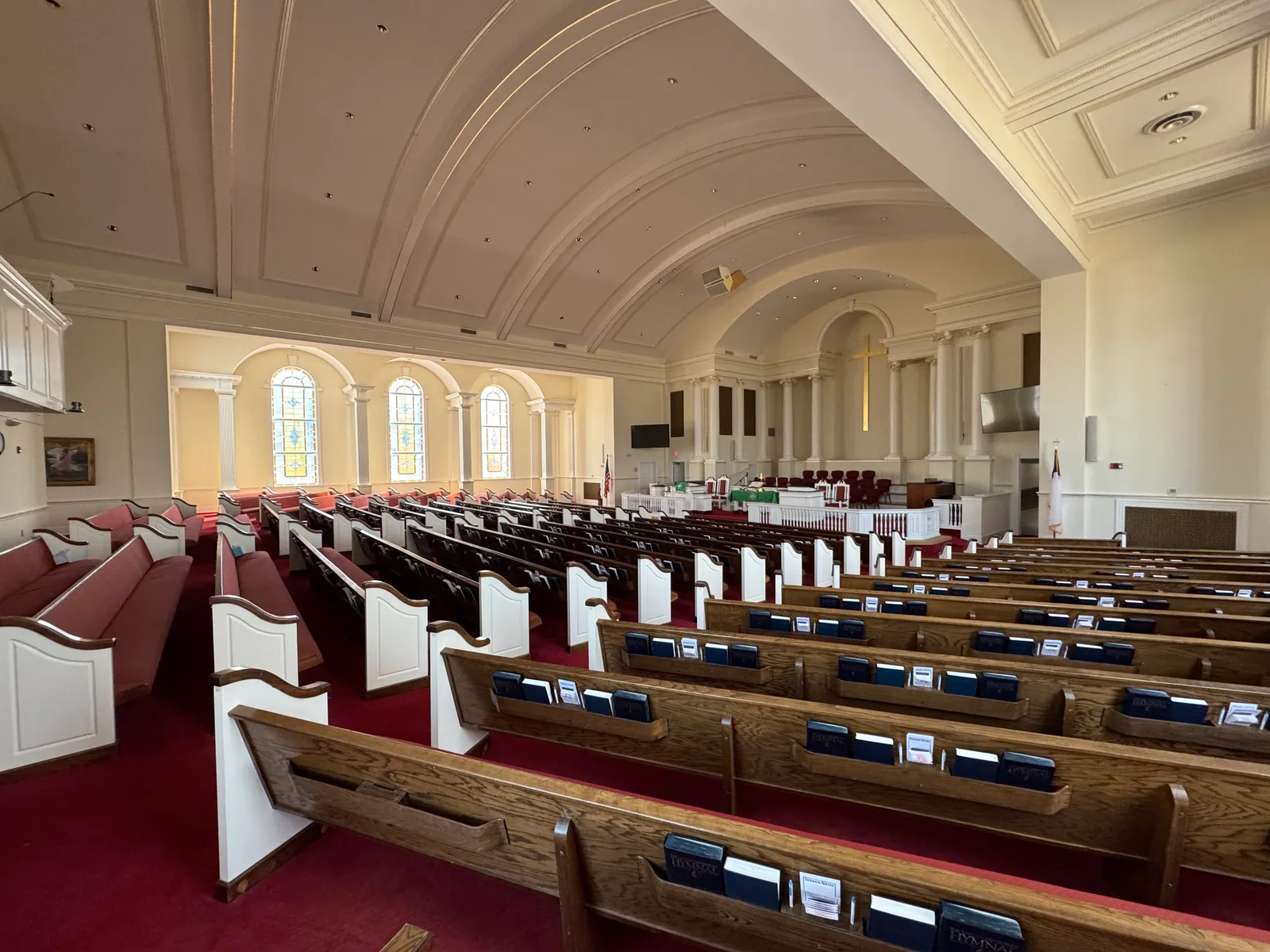
What Does Church Insurance Cost in Georgia?
Most Georgia churches pay between $3,000 and $30,000 per year for a complete insurance program. Cost depends on building values, construction type, number of employees, claims history, scope of programs, and coverages selected. Larger campuses with schools or extensive programming can exceed $50,000. These ranges come from our experience serving 700+ Georgia ministries.
A church with one building, minimal staff, and basic programs typically pays $3,000-8,000 per year for a solid insurance program including property, general liability, and basic coverages.
A mid-size church — 200-800 members, multiple buildings, 5-15 staff, active youth and children's programs, maybe a van — typically pays $10,000-30,000 per year.
A large church — 800+ members, campus-style facility, 20+ staff, school or daycare, multiple vehicles, extensive programming — can pay $30,000-100,000+ depending on property values and program complexity.
These are ranges, not quotes. Your actual cost depends on building values, construction type, location (rural vs. metro Atlanta), claims history, number of employees, scope of programs, and the coverages you select. For a deeper breakdown, see our church insurance cost guide.
What drives cost up: older buildings without updated electrical and plumbing, wood-frame construction, flood zone locations, prior claims, large youth programs, and church-owned vehicles.
What keeps cost manageable: updated buildings, fire suppression systems, security cameras, documented safety policies, background check programs, and working with a carrier that understands ministry.
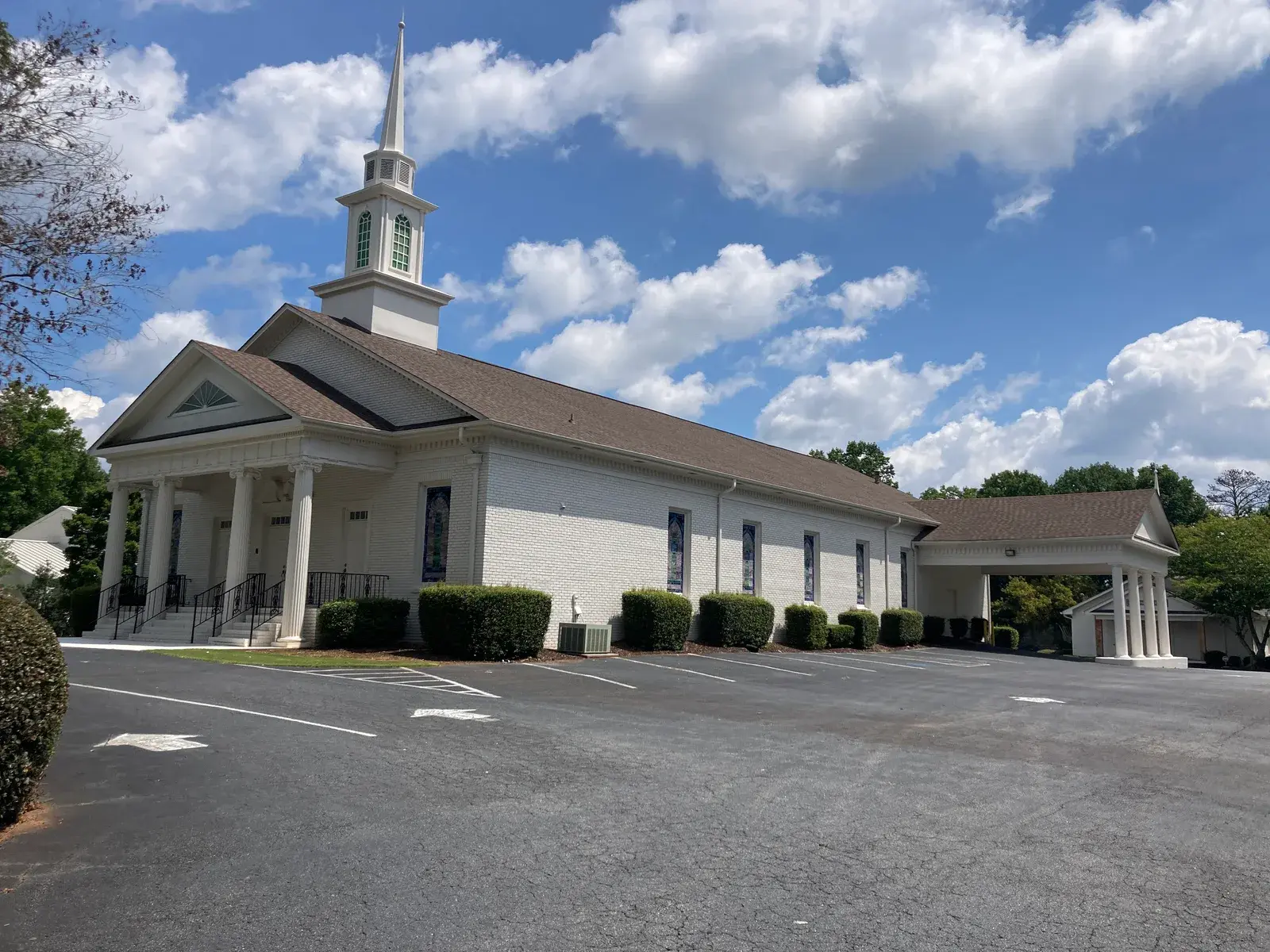
Georgia-Specific Insurance Requirements for Churches
Georgia doesn't require churches to carry insurance as a condition of operating. There's no state agency that audits church insurance. But several Georgia laws create specific insurance obligations:
Workers' compensation (O.C.G.A. § 34-9-2): Required for employers with three or more employees. Churches are not exempt. The penalty for non-compliance is a misdemeanor and personal liability for the church leadership.
Commercial auto: Georgia requires minimum liability coverage on all registered vehicles — including church-titled vehicles. The state minimum is $25,000/$50,000 bodily injury and $25,000 property damage, but these minimums are dangerously low for a 15-passenger church van.
Background checks: While Georgia doesn't mandate background checks for church volunteers by law, many carriers — including Brotherhood Mutual — require documented screening programs for anyone working with minors as a condition of coverage. If you don't screen volunteers, you may not have coverage when you need it most.
Property tax exemption: Georgia churches are exempt from property tax under the state constitution, but this exemption doesn't reduce the need for property insurance. In fact, it can create a false sense of security — the building is still yours to insure at full replacement value.
How to Choose a Church Insurance Provider in Georgia
Choose a church insurance provider that specializes in ministry, carries Brotherhood Mutual or other ministry-focused carriers, and assigns a dedicated advisor who knows church operations. A generalist agent who insures restaurants and contractors alongside your church is less likely to catch ministry-specific coverage gaps than a specialist agency that works exclusively with churches.
Specialist vs. Generalist
A generalist commercial agency writes church insurance as one line of business among dozens — restaurants, contractors, retail stores, and occasionally a church. They may be great at what they do, but they're unlikely to know about counseling liability endorsements, mission trip coverage, or the specific exclusions that show up in standard commercial policies when applied to a church.
A specialist agency — like MinistrySure — works exclusively with churches and ministries. Every person on our team was hired to serve churches. It's the only thing we do. When you call, nobody has to look up your file to remember whether you're the church or the roofing company.
The Carrier Matters
The insurance carrier — the company that actually underwrites and pays claims — matters as much as the agency. For Georgia churches, most carriers you'll encounter are standard commercial insurers that adapt general policies for religious organizations. Ministry-focused carriers like Brotherhood Mutual take a different approach — they design policies specifically around how churches operate.
Brotherhood Mutual is one of the largest insurers of churches and ministries in America — and not every agency carries them. As authorized Brotherhood Mutual agents, MinistrySure gives your church access to a carrier specifically built for ministry — including coverages like armed security team liability that most church policies exclude.
Questions to Ask Any Agent
Before you sign with an agency, ask these questions:
- How many churches do you currently insure?
- Is church insurance your specialty, or one of many lines you write?
- Which carriers do you work with for churches?
- Can you explain what my current policy excludes?
- Do you have a dedicated team for churches, or will I work with whoever is available?
- What happens when I need to file a claim — who do I call?
The answers will tell you everything you need to know.
Common Coverage Gaps We Find in Georgia Church Policies
The most common coverage gaps in Georgia church policies are undervalued property, missing abuse and molestation coverage, no cyber liability, workers' compensation non-compliance, no hired and non-owned auto, inadequate umbrella limits, and no flood coverage. After reviewing hundreds of church policies from other agencies, we see these same problems repeatedly.
Undervalued property. The church was insured for $1.2 million, but replacement cost is actually $2.4 million. This means a total loss results in a check for half of what's needed to rebuild.
No abuse and molestation coverage. The church assumed it was included in general liability. It wasn't. One allegation — founded or not — and the church has no defense funding.
No cyber liability. Online giving, member databases, employee records — the data exists, but there's no coverage if it's breached.
Workers' comp exclusion or non-compliance. The church has four employees but no workers' comp policy. The pastor doesn't think of the part-time custodian and nursery coordinator as "employees." Georgia disagrees.
Hired and non-owned auto gap. The church doesn't own a vehicle, so they didn't buy auto insurance. But volunteers drive their personal cars for church errands every week. If a volunteer causes an accident during church business, the church can be named in the lawsuit.
Inadequate umbrella coverage. The church carries $1 million in general liability but no umbrella. A serious injury claim can exceed $1 million quickly.
No flood coverage. The church is in a moderate flood zone but never purchased a flood policy because "it's never flooded before." Georgia's weather patterns are shifting. Flood claims in areas that have never flooded are increasing.
The question isn't whether your church can afford the right insurance. It's whether it can afford to find out it had the wrong insurance.
Ready to review your church's coverage?
Request a no-obligation coverage review. We'll compare what you have to what you need.
Request a Coverage ReviewWhat Makes MinistrySure Different
MinistrySure focuses exclusively on churches, schools, and ministries — no commercial accounts or personal lines. We're authorized Brotherhood Mutual agents, our team is dedicated to ministry, both owners are Brotherhood Mutual Agents of the Year, and we've served 700+ Georgia ministries. When you call, everyone on our team knows church insurance.
Exclusive focus. Every policy we write is for a church, school, or ministry. We don't write restaurants, contractors, or retail. When you call, everyone on our team speaks your language.
Brotherhood Mutual access. We're authorized agents for the carrier that was built specifically for ministry. Not every agency can offer this.
Both owners are Agents of the Year. Matthew Campbell earned Brotherhood Mutual's Agent of the Year in 2015 and Rookie of the Year in 2008. Michael Campbell earned both Agent of the Year and Rookie of the Year in 2011. That's not marketing — it's peer-recognized expertise.
700+ Georgia ministries. We've seen every type of church, every type of claim, and every type of coverage question. There's very little that surprises us. See what our clients say.
A team dedicated to ministry. When you call MinistrySure, you'll reach someone who knows your church. Not a call center. Not a rotating representative. Your team.
We answer the phone. That sounds basic. Ask your current agent how often they return your calls the same day.
Frequently Asked Questions
Is church insurance required by law in Georgia?
No. Georgia doesn't require churches to carry insurance as a condition of operating. However, workers' compensation is required for any employer with three or more employees — including churches — under O.C.G.A. § 34-9-2. Commercial auto insurance is also required for any church-owned vehicles. And many lenders require property insurance if your church has a mortgage.
How much does church insurance cost in Georgia?
Most Georgia churches pay between $3,000 and $30,000 per year depending on building values, number of employees, scope of programs, and coverages selected. Smaller churches with one building and minimal staff are at the lower end. Mid-size churches with multiple buildings, 10+ employees, and active programs are at the higher end. Large campuses with schools or extensive programming can exceed $50,000.
What types of insurance does a Georgia church need?
At minimum, most Georgia churches need property insurance, general liability, and workers' compensation (if three or more employees). Beyond that, most established churches should also carry directors and officers liability, abuse and molestation coverage, commercial auto (if they own vehicles), hired and non-owned auto, umbrella liability, and increasingly, cyber liability.
Does my church need workers' compensation?
If your church has three or more employees in Georgia — including part-time staff — yes. This is state law, not optional. The threshold is three employees, regardless of whether they're full-time or part-time. Volunteers are generally not counted, but paid nursery workers, custodians, and administrative staff are.
What does abuse and molestation coverage protect?
It covers defense costs and damages when a sexual misconduct allegation is made against your church, a staff member, or a volunteer. This includes both founded and unfounded claims. Standard general liability policies typically exclude these claims. Defense costs alone often exceed $100,000, making this coverage essential for any church with children's or youth programs.
Can our church be sued if a volunteer causes a car accident?
Yes. If a volunteer is driving for church business — transporting students, picking up supplies, running errands — and causes an accident, the church can be named in the lawsuit. Hired and non-owned auto coverage protects the church in this scenario. It covers liability for vehicles your church uses but doesn't own.
What should we do if our church gets non-renewed?
Don't panic. Non-renewal is not the same as cancellation — you have time to find a new carrier before your current policy expires. Contact a specialist agency like MinistrySure immediately. We work with multiple carriers and can often place churches that have been non-renewed. Read our complete non-renewal guide for step-by-step instructions.
How do we know if our church is properly insured?
The fastest way is a coverage review with an agency that specializes in churches. We'll look at your current policies, identify gaps, check your building valuations against current replacement costs, and make sure your coverages match how your ministry actually operates today — not how it operated when the policy was first written five years ago.
What is Brotherhood Mutual?
Brotherhood Mutual is one of the largest insurance carriers in America focused exclusively on churches, schools, camps, and faith-based ministries. They've been insuring ministries since 1917. Unlike standard commercial carriers that adapt general policies for churches, Brotherhood Mutual designs their policies specifically for how ministries operate — including coverages for things like counseling liability, mission trips, and volunteer activities that standard carriers often exclude.
Why should we work with a specialist agency instead of our current agent?
A generalist agent handles churches alongside restaurants, contractors, and retail stores. They may not know which coverages are critical for ministry or which exclusions to look for. A specialist agency has seen hundreds of church policies, knows the common gaps, understands ministry-specific risks, and works with carriers built for churches. The difference shows up when you file a claim — or when you realize a claim isn't covered.
Request a Coverage Review
If you're not sure whether your church has the right coverage — or you just want a second opinion — we'll review your current policies at no cost. We start with a conversation, not a sales pitch.
You can also call us at (770) 716-0180 or visit our office at 367 Athens Hwy, Suite 2300, Loganville, GA 30052.
MinistrySure is an independent insurance agency in Loganville, Georgia specializing exclusively in churches, Christian schools, colleges, and faith-based ministries. Led by brothers Matthew and Michael Campbell — both Brotherhood Mutual Agents of the Year — MinistrySure has served 700+ Georgia ministries.
Church Insurance in Atlanta · Church Insurance in Savannah · Church Insurance in Augusta · Church Insurance in Athens · Church Insurance in Macon · Church Insurance in Columbus · Church Insurance in Gainesville · About Our Team · Why Choose a Specialist · Brotherhood Mutual · Church Insurance FAQ · Schools · Colleges